Alexander County Dog Registration Information
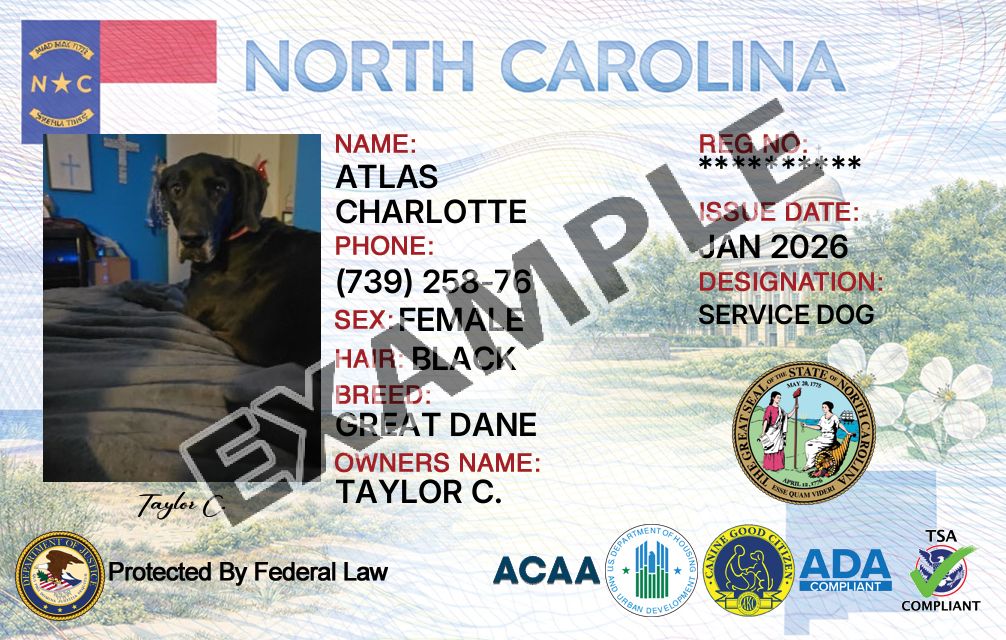
Service Dogs and Emotional Support Animals in Alexander, North Carolina
Registering a Dog in Alexander County, North Carolina (Including Service Dogs & Emotional Support Dogs)
If you’re searching where do I register my dog in Alexander County, North Carolina for my service dog or emotional support dog, the answer is usually local: most “registration” people mean is a dog license in Alexander County, North Carolina or proof of a current rabies vaccination that local officials can verify. In Alexander County, these needs typically connect to local government offices such as Animal Services (animal control) and Public Health (rabies and immunization information).
- A dog license (local licensing/rabies compliance) is different from service dog legal status.
- There is no official “service dog registration” or “emotional support animal registration” that you must buy to be legal.
- For local compliance, focus on rabies vaccination and any local licensing rules enforced by county/city offices.
Where to Register or License Your Dog in Alexander County, North Carolina
Licensing and rabies enforcement are commonly handled at the county or municipal level. Below are example official offices that Alexander County residents typically contact for animal control dog license Alexander County, North Carolina questions, rabies compliance, and related local requirements.
Official Offices (Alexander County)
| Office | Contact Details |
|---|---|
Alexander County Animal Services (Animal Control)Primary contact for animal control and many county animal-related requirements.
|
Address: 116 Waggin’ Trail, Taylorsville, NC 28681
Phone: (828) 632-1199
Email: jlsigmon@alexandercountync.gov
Office hours were not listed in the official contact details provided here; call to verify current lobby hours and procedures.
|
Alexander County Public Health (Health Department)Rabies-related guidance and immunization information.
|
Address: 338 1st Ave. S.W., Taylorsville, NC 28681
Phone: 828-632-9704
Office Hours: Monday–Friday, 8:00 am–5:00 pm
|
Alexander County Government (General Information / Main Offices)Useful starting point if you’re unsure which department handles your question.
|
Address: 621 Liledoun Road, Taylorsville, NC 28681
Phone: (828) 632-9332
Ask to be routed to Animal Services/Animal Control or the department handling licensing and rabies enforcement.
|
Alexander County Communications (24-Hour Non-Emergency)After-hours non-emergency contact that may help route urgent animal-control issues.
|
Phone: (828) 632-2911
|
Alexander County Sheriff’s OfficeMay assist with certain complaints or direct you to the correct county service.
|
Phone: (828) 632-1111
|
Alexander County Tax Office (General County Office)Included because some counties handle certain fees/records through tax administration.
|
Address: 621 Liledoun Road, Taylorsville, NC 28681
Phone: (828) 632-9332
If your question is specifically about a local dog license fee process, ask whether Animal Services or another department manages it.
|
Overview of Dog Licensing in Alexander County, North Carolina
What “registering your dog” usually means
In many North Carolina communities, when residents say “register my dog,” they’re referring to one (or more) of these local requirements:
- Rabies vaccination compliance (keeping the dog’s rabies shot current and retaining proof).
- A local dog license or tag (if required by county or city policy).
- Working with Animal Services / Animal Control on ordinances related to roaming dogs, nuisance complaints, bite incidents, or quarantines.
Most licensing is handled locally
There is no single nationwide dog-license database. Instead, dog licensing—when required—is usually created and enforced by local government. That means the best answer to where to register a dog in Alexander County, North Carolina is typically your county Animal Services/Animal Control office, with the local Health Department involved when rabies rules apply.
Rabies vaccination requirements (why they matter)
Rabies rules are a public health issue, and local enforcement often connects to Animal Services and Public Health. Even if a separate “dog license” is not required for every dog in every situation, proof of rabies vaccination is commonly required for: boarding and grooming, adoption and reclaim of impounded dogs, some housing situations, and bite/quarantine processes.
How Dog Licensing Works Locally in Alexander County, North Carolina
Step 1: Confirm what Alexander County considers a “license”
Start with Alexander County Animal Services and describe what you mean by “registering” your dog: a license tag, a rabies record on file, or documentation tied to a service dog or emotional support animal. The county can tell you:
- Whether the county issues a license tag or certificate, or if compliance is handled through rabies vaccination records.
- Where to submit proof (in person, by email, or via another official method).
- Whether fees apply, what the renewal schedule is, and what documentation is accepted.
Step 2: Keep proof of rabies vaccination (and keep it current)
The single most common “registration-style” document for dogs is rabies vaccination proof. Ask your veterinarian for documentation that includes the vaccination date, product information, and due date for the next rabies vaccination. Keep a copy with your personal records, and consider carrying a copy (paper or digital) when traveling, renting, or using services.
Step 3: Be prepared for local enforcement scenarios
Local rules can come into play quickly when there is a complaint, stray pickup, bite incident, or quarantine requirement. If Animal Services becomes involved, having your records ready can speed up resolution and reduce stress.
Step 4: If you live inside a town, ask about municipal rules too
Some requirements may differ depending on whether you are in unincorporated parts of Alexander County or within town limits. When you call, mention your address or neighborhood so staff can confirm whether any additional municipal rules apply.
Service Dog Laws in Alexander County, North Carolina
A service dog is defined by training and disability-related work
A service dog is generally a dog trained to perform specific tasks or work for a person with a disability. What makes a dog a service dog is not a paid certificate or “registry,” but the dog’s training and the handler’s legitimate need.
No special county “service dog license” is typically required
In most places, service dogs are not “licensed as service dogs” through a county process. Instead, they follow the same local animal rules as other dogs (including rabies vaccination and any applicable local licensing). If you are seeking a dog license in Alexander County, North Carolina, your service dog usually follows the same licensing/rabies pathway as any other dog.
What businesses and housing providers can (and can’t) ask
In everyday public-access situations, you generally are not required to show an ID card or online registration. If you encounter confusion, focus on the practical documents you can control—like rabies proof and your dog’s behavior and training. For local questions about dog control, quarantine, or stray situations, the appropriate contact remains the county’s animal control office.
Emotional Support Animal Rules in Alexander County, North Carolina
An ESA is not the same as a service dog
An emotional support animal (ESA) provides comfort and support through presence, but is not necessarily trained to perform a specific task related to a disability. This distinction matters because:
- Service dogs may have broader public-access rights in many settings.
- ESAs are most often relevant to housing situations and provider documentation—not local dog licensing.
Does an ESA need to be “registered” with the county?
Typically, no. Your ESA is still a dog under local law, so focus on the same essentials: rabies vaccination and any locally required licensing. If you’re asking where to register a dog in Alexander County, North Carolina because your landlord is requesting proof, ask what kind of proof they want:
- Rabies vaccination documentation
- Any local license/tag documentation (if applicable)
- Housing-related documentation (often separate from government licensing)
Avoid “ESA registry” upsells
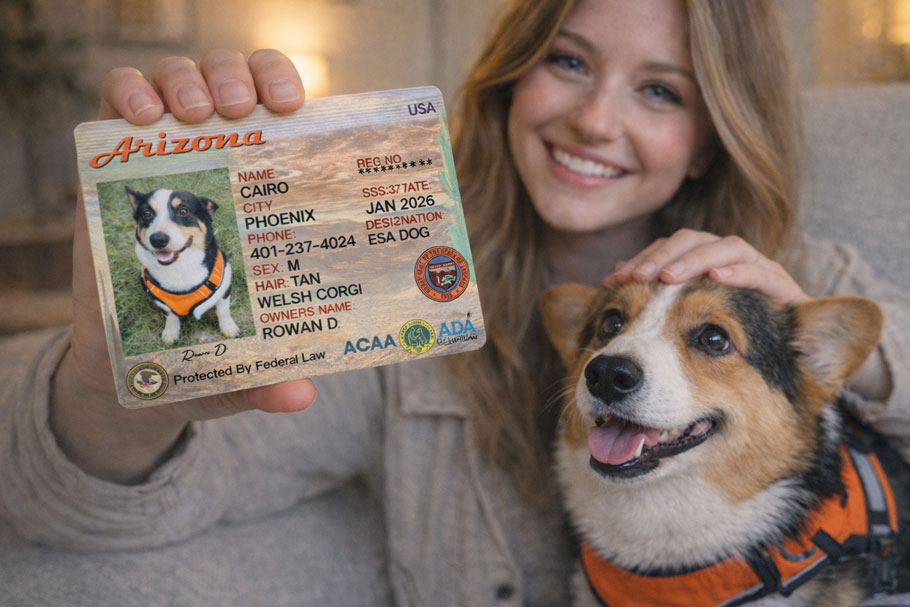
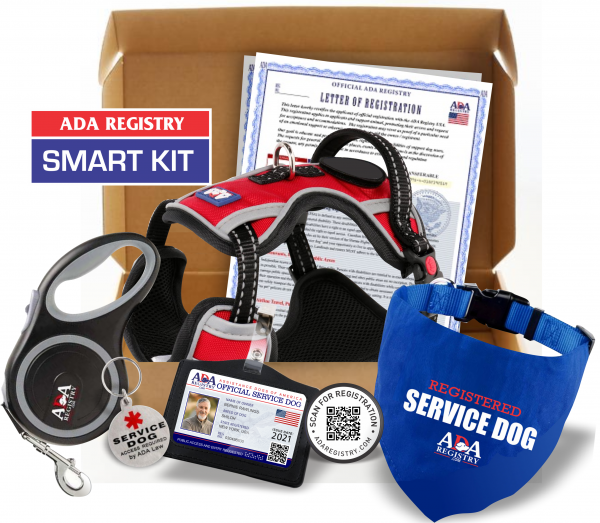
Many websites sell ESA numbers, badges, or laminated cards. These are not the same thing as an official local license. For county compliance questions, rely on the official offices listed above—especially Animal Services and Public Health.
Frequently Asked Questions
Register A Dog In Other North Carolina Counties
Select your county below to get started with your dog’s ID card. Requirements and license designs may vary by county, so choose your location to see the correct options and complete your pup’s registration.
- Alamance County Dog Registration
- Alleghany County Dog Registration
- Anson County Dog Registration
- Ashe County Dog Registration
- Avery County Dog Registration
- Beaufort County Dog Registration
- Bertie County Dog Registration
- Bladen County Dog Registration
- Brunswick County Dog Registration
- Buncombe County Dog Registration
- Burke County Dog Registration
- Cabarrus County Dog Registration
- Caldwell County Dog Registration
- Camden County Dog Registration
- Carteret County Dog Registration
- Caswell County Dog Registration
- Catawba County Dog Registration
- Chatham County Dog Registration
- Cherokee County Dog Registration
- Chowan County Dog Registration
- Clay County Dog Registration
- Cleveland County Dog Registration
- Columbus County Dog Registration
- Craven County Dog Registration
- Cumberland County Dog Registration
- Currituck County Dog Registration
- Dare County Dog Registration
- Davidson County Dog Registration
- Davie County Dog Registration
- Duplin County Dog Registration
- Edgecombe County Dog Registration
- Forsyth County Dog Registration
- Franklin County Dog Registration
- Gaston County Dog Registration
- Gates County Dog Registration
- Graham County Dog Registration
- Granville County Dog Registration
- Greene County Dog Registration
- Guilford County Dog Registration
- Halifax County Dog Registration
- Harnett County Dog Registration
- Haywood County Dog Registration
- Henderson County Dog Registration
- Hertford County Dog Registration
- Hoke County Dog Registration
- Hyde County Dog Registration
- Iredell County Dog Registration
- Jackson County Dog Registration
- Johnston County Dog Registration
- Jones County Dog Registration
- Lee County Dog Registration
- Lenoir County Dog Registration
- Lincoln County Dog Registration
- Macon County Dog Registration
- Madison County Dog Registration
- Martin County Dog Registration
- McDowell County Dog Registration
- Mecklenburg County Dog Registration
- Mitchell County Dog Registration
- Montgomery County Dog Registration
- Moore County Dog Registration
- Nash County Dog Registration
- New Hanover County Dog Registration
- Northampton County Dog Registration
- Onslow County Dog Registration
- Orange County Dog Registration
- Pamlico County Dog Registration
- Pasquotank County Dog Registration
- Pender County Dog Registration
- Perquimans County Dog Registration
- Person County Dog Registration
- Pitt County Dog Registration
- Polk County Dog Registration
- Randolph County Dog Registration
- Richmond County Dog Registration
- Robeson County Dog Registration
- Rockingham County Dog Registration
- Rowan County Dog Registration
- Rutherford County Dog Registration
- Sampson County Dog Registration
- Scotland County Dog Registration
- Stanly County Dog Registration
- Stokes County Dog Registration
- Surry County Dog Registration
- Swain County Dog Registration
- Transylvania County Dog Registration
- Tyrrell County Dog Registration
- Union County Dog Registration
- Vance County Dog Registration
- Wake County Dog Registration
- Warren County Dog Registration
- Washington County Dog Registration
- Watauga County Dog Registration
- Wayne County Dog Registration
- Wilkes County Dog Registration
- Wilson County Dog Registration
- Yadkin County Dog Registration
- Yancey County Dog Registration